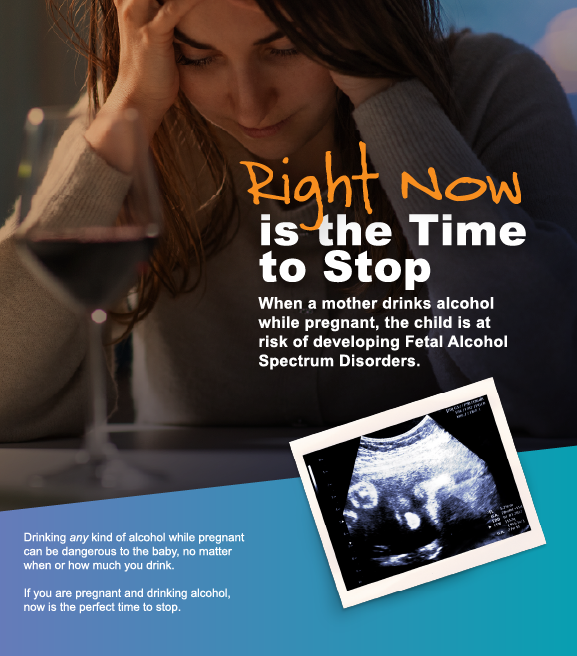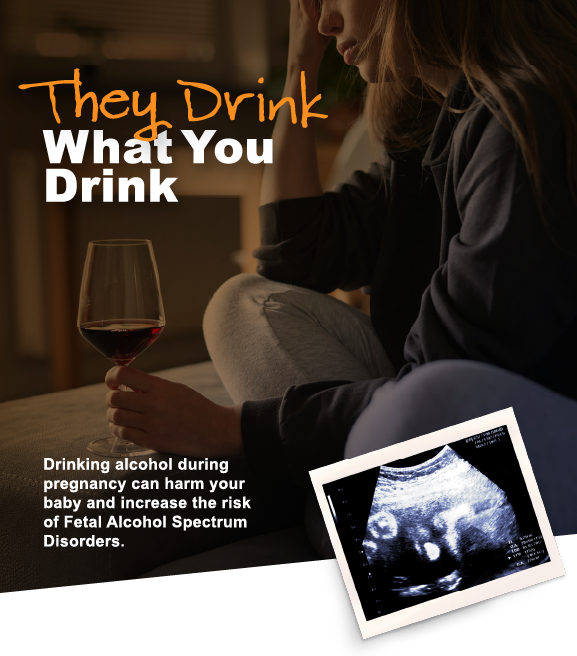
Fetal Alcohol Spectrum Disorder (FASD) is a group of conditions that may occur in a person who was exposed to alcohol before birth.
These conditions can affect each person in different ways and can range from mild to severe.
People with FASDs can have lifelong effects, including problems with behavior and learning as well as physical problems.
FASDs are preventable if a developing baby is not exposed to alcohol.
Causes
FASDs can occur when a person is exposed to alcohol before birth. Alcohol in the mother’s blood passes to the baby through the umbilical cord.
There is no known safe amount of alcohol during pregnancy or when trying to get pregnant. There is also no safe time to drink during pregnancy. Alcohol can cause problems for a developing baby throughout pregnancy, including before a woman knows she’s pregnant. All types of alcohol are equally harmful, including all wines and beer.
Signs and Symptoms of FASD
Behavioral issues
- Hyperactive behavior
- Difficulty with attention
- Poor reasoning and judgment skills
Learning challenges
- Poor memory
- Learning disabilities
- Speech and language delays
- Intellectual disability or low IQ
- Difficulty in school (especially with math)
Physical problems
- Low body weight
- Poor coordination
- Problems with the heart, kidneys, or bones
- Shorter-than-average height
- Vision or hearing problems
- Small head size
- Sleep and sucking problems as a baby
- Abnormal facial features, such as a smooth ridge between the nose and upper lip (this ridge is called the philtrum)
Prevention
To prevent FASDs, a woman should avoid alcohol if she is pregnant or might be pregnant. This is because a woman could get pregnant and not know for up to 4-6 weeks.
It is never too late to stop alcohol use during pregnancy. Because brain growth takes place throughout pregnancy, stopping alcohol use will improve the baby’s health and well-being