The Florida Epidemic Intelligence Service (EIS) is a unique two-year, post-graduate program of service and on-the-job training for health professionals interested in the field of epidemiology. Fellows are assigned to a county health department for two years and have opportunities to respond to various public health concerns throughout the state.
The goals of the program are to provide experience in epidemiology and public health practice during placements with CHD, to assist in outbreak and other field epidemiologic investigations, and to produce well-trained public health epidemiologists for positions in the Florida Department of Health.
Eligiblity for EIS Fellowship
- Possess a master’s or doctoral degree in public health (e.g., MPH, MSPH, PhD, or DrPH) or in a similar health-related field. Preference will be given to those who have completed their degree within five years of the application deadline and those with an epidemiology or a related qualifying degree and coursework completed at an institution accredited by the Council of Education for Public Health (CEPH)
- Taken at least one course in epidemiology and one course in (bio) statistics during graduate or professional school
- Have a strong interest in applied epidemiology and a commitment to a career in epidemiology in Florida
Fellowship Goals
- Participate in a variety of activities designed to develop their competency in three main areas: epidemiologic process, communication, and professionalism.
- Learn about infectious diseases and perform case and outbreak investigations for infectious diseases and other conditions of public health concern.
- Provide professional and technical epidemiologic consultation and assistance to public and private health care providers for the Florida Department of Health’s county health departments.
- Conduct special projects and epidemiological studies and support administrative and management activities.
- Perform descriptive and analytic epidemiologic investigations, research, and public health surveillance of disease outbreaks and other field epidemiologic investigations of public health importance, such as disasters.
- Assist with the development, implementation, reporting, and publication of special epidemiological studies in peer-reviewed journals, present at statewide or national professional meetings, and disseminate vital public health information to public health partners and the public.
Application Process and Documents Needed
All the items listed below must be submitted to the Florida EIS Program during the application period and will not be considered outside of the application period.
- Employment Application: Complete the Florida Department of Health employment application once the position is posted.
- Curriculum Vitae (CV): This is more than just a standard résumé and should include additional details such as research, publications, professional presentations, awards, and other relevant academic history along with the standard resume sections.
- References: Provide the name, title, agency of employment, email address, and direct phone number of three professional references.
- Personal Statement: A narrative, no longer than two pages, which addresses the following questions:
- What are your career plans after graduating from the Florida Epidemic Intelligence Service Program? Why?
- How will the Florida Epidemic Intelligence Service Program help you fulfill these plans?
- How will the Florida Epidemic Intelligence Service Program complement your previous training and experience?
- Is there any aspect of public health that is particularly interesting to you? Why?
- How will you contribute to the goals of the Florida Epidemic Intelligence Service Fellowship Program (review description in the posted job announcement)?
- Transcripts: Submit transcripts from the school from which you received your highest degree and for any school from which you received public health training (e.g., MPH, MSPH, DrPH, PhD). Copies of your official transcripts are acceptable during the application process. An unofficial printout from the student system is not acceptable. If chosen for the fellowship, official sealed transcripts must be provided.
- For Foreign Schools: If transcripts are not issued by a U.S. institution, proof of degree completion must be submitted and accompanied by a credential verification document. This may be accomplished by submitting coursework documents to a private organization that specializes in interpretation of foreign educational credentials. This evaluation must include evaluation of coursework and verification of the degree. A list of private organizations is available by visiting the National Association of Credential Evaluation Services (NACES).
Current Fellows
Saresa Thomas Ford
Home State: Florida
Graduate Degree: University of South Florida, MPH
Undergraduate Degree: University of South Florida, BS
Assigned to: Florida Department of Health in Polk County
Mentors: Gregory Danyluk, PhD, MPH, MS and Bernard Kloppenburg, MPH
This fellowship program complements the contact tracing and research experience that I already have while introducing new epidemiological tasks and expanding my statistical analysis experience. This experience would also help me in furthering my goal of reducing and or preventing risk factors of chronic diseases to reduce mortality rates.
LeAnn Mcfadden
Home State: Arkansas
Graduate Degree: University of Arkansas for Medical Sciences, MPH Epidemiology concentration
Undergraduate Degree: University of Arkansas at Little Rock, BS in Biology
Assigned to: Florida Department of Health in Pasco County
Mentors: Brittany Merens, MPH and Kaila Yeager, MPH
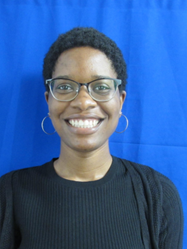
The program will complement the experience I have already gained as a graduate student, such as scientific/technical writing, epidemiologic investigation, and analytical research. As a fellow, I will assist my county health department and improve the health of Florida residents by investigating public health concerns and responding accordingly.