
The Florida Department of Health works with food service establishments as defined by section 381.0072, Florida Statutes, to help ensure their products are not a source of foodborne illness.
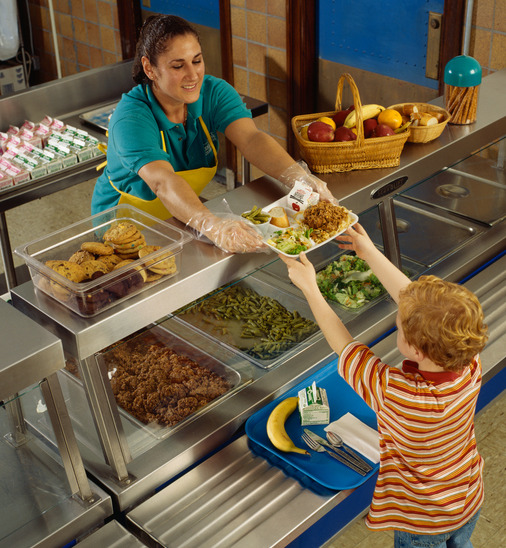
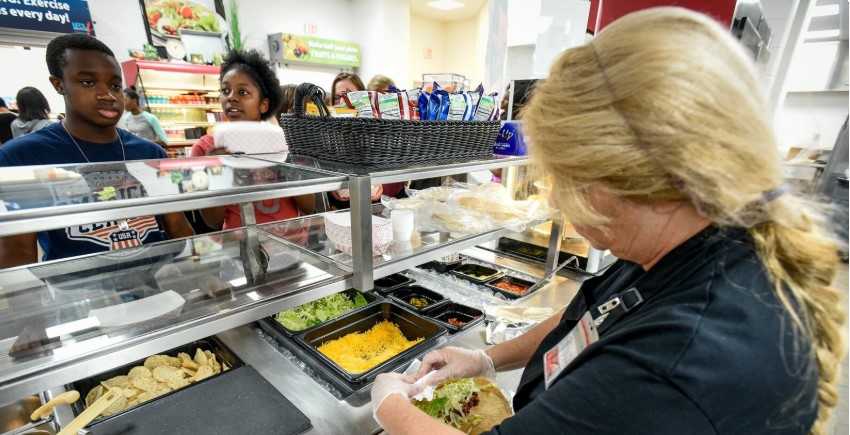
Generally this includes food service operations located in institutional settings (such as schools, assisted living facilities, hospice, detention facilities, adult day cares, in-patient drug, alcohol and mental health facilities etc.), civic and fraternal organizations, bars and lounges that don’t prepare time temperature control non-beverage foods, and theaters with limited food (beverages, popcorn, hot dogs, nachos).
Food safety in Florida is regulated by multiple state agencies. No state or federal regulatory agency licenses food operations from your home.
Food Safety and Sanitation Program
Forms and Guidance Documents
Training
Other Resources
Food Safety Inspections
The Florida Department of Health’s Food Hygiene Inspection Program is risk-based. This means that those facilities that pose a greater risk to the public becoming sick from consuming their product are inspected more often than those that pose a lesser risk. The amount of risk is determined by factors that include types of food served, amount of preparation required, population served, and quantity of food prepared.
Considering these types of factors are consistent with recommendation from the U.S. Food and Drug Administration.
High risk facilities are inspected quarterly. Moderate risk facilities are inspected semiannually (2 times per year). Low risk facilities are inspected once per year.
Examples
| Types of Facilities and Food Preparation | Annual Inspections |
|---|---|
| Establishments that provide full food service and serve a highly susceptible population (HSP) | 4 |
| Establishments that provide full food service that do not serve a HSP | 3 |
| Establishments that do not serve a HSP and do not engage on the cooling of cooked food, with no leftovers stored | 2 |
| Establishments that serve or sell pre-packaged foods, not serving a HSP | 1 |
The Department maintains inspection data for the above listed establishments.
Resources for Opening a Food Service Business
Federal and State Laws
- Chapter 64E-11, Florida Administrative Code, “Food Hygiene” was revised in 2018
- Section 381.0072, Florida Statutes
- 2013 U.S. Food and Drug Administration, Food Code
- Code of Federal Regulations, Annual Editions (2013 Food Code references – Titles 9, 21, 40, 50)