Florida Healthy Beaches Beach Water Quality Sampling Data
Fecal indicator bacteria are monitored routinely. The results and any advisories are posted on the individual county pages. Florida will continue to monitor water quality will take appropriate measures to protect the health of residents and visitors.

Water Quality Categories
Good = 0-35 enterococci per 100 milliliters of marine water
Moderate = 36-70 enterococci per 100 milliliters of marine water
Poor = 71 or greater enterococci per 100 milliliters of marine water
Loading…
Health Implications
Enterococci are enteric bacteria that normally inhabit the intestinal tract of humans and animals. The presence of enteric bacteria can be an indication of fecal pollution, which may come from stormwater runoff, pets and wildlife, and human sewage. If they are present in high concentrations in recreational waters and ingested or enter the skin through a cut or sore, they may cause disease, infections, or rashes.
The statewide testing program tests for enterococci due to a greater correlation with swimming-associated gastrointestinal illness in both marine and fresh waters than other bacterial indicator organisms, and are less likely to “die off” in saltwater.
If an enterococci result were observed to exceed 70 colony forming units per 100 milliliters of beach water sampled, and a resampling result also exceeds this value, then an “Advisory” would be issued for the sampling site.
Healthy Beaches Program History
In 1998, five of Florida’s coastal counties began monitoring for enterococci bacteria under a grant-funded pilot program. By the beginning of 2000, 11 Florida counties were participating in the program, which continued through July 2000.
In August 2000, the Beach Water Sampling Program was extended to 30 of Florida’s coastal counties through state legislation (Senate Bill 1412 and House Bill 2145) and funding. In addition, sampling under the new program include fecal coliform as well as enterococci bacteria.
In August 2002, the beach water sampling program also began collecting water samples on a weekly basis with additional funding from U.S. Environmental Protection Agency.
Changes to funding levels in 2011 resulted in a return to bi-weekly sampling, the elimination of all fecal coliform sampling, and a reduction of the number of sample locations. Since enterococcus bacteria are indicators of the same types of pollution as fecal coliform bacteria, this did not affect safety. At this time sampling in the northern parts of the state was also suspended during the winter months, November through February.

Aquatic Toxins
Florida’s waterways are an important part of the state’s environment and economy, but they can be affected by toxins.
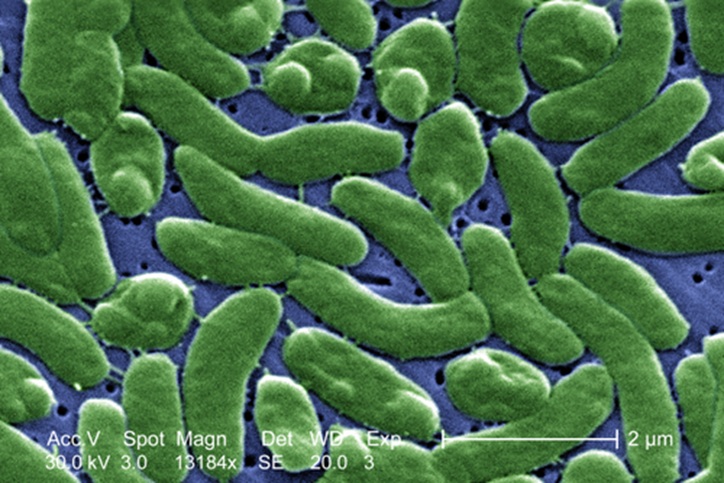
Vibrio vulnificus
Since it is naturally found in warm marine waters, people with open wounds can be exposed to Vibrio vulnificus through direct contact with seawater.

Water Quality
Current information on harmful algal blooms, including blue-green algae and red tide. Sign-up to receive water quality notifications
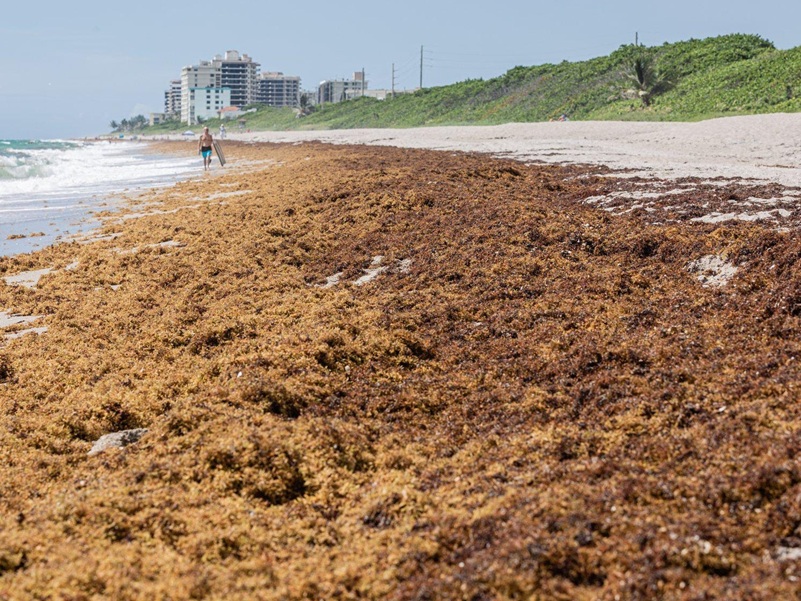
Sargassum
View the factsheet on sargassum, what it is, and how to protect yourself and your family from possible health effects.